

What the Demand is Saying
The aerospace composites market continues to grow rapidly, and the supply chain is facing challenges keeping up with this growth. The global honeycomb core materials market is projected to grow from $3.1 billion in 2025 to $5.7 billion by 2033. The aerospace and defense core materials segment, which includes honeycomb and structural foam, is on track to nearly double over the next four years.
For composite aerostructure programs, these are not abstract statistics. They translate directly into tighter raw material availability and lead times, and constrained capacity at qualified fabricators. As a result, decisions regarding supplier selection carry more program risk than in the past.
Three industry sectors are driving growth. Commercial aviation is the largest volume driver; flight platforms are heavily dependent on aluminum and phenolic honeycomb cores. Defense and hypersonic programs represent a smaller but high-value sector. UAV and eVTOL programs will soon add significant demand for structure foams.
The Material Landscape
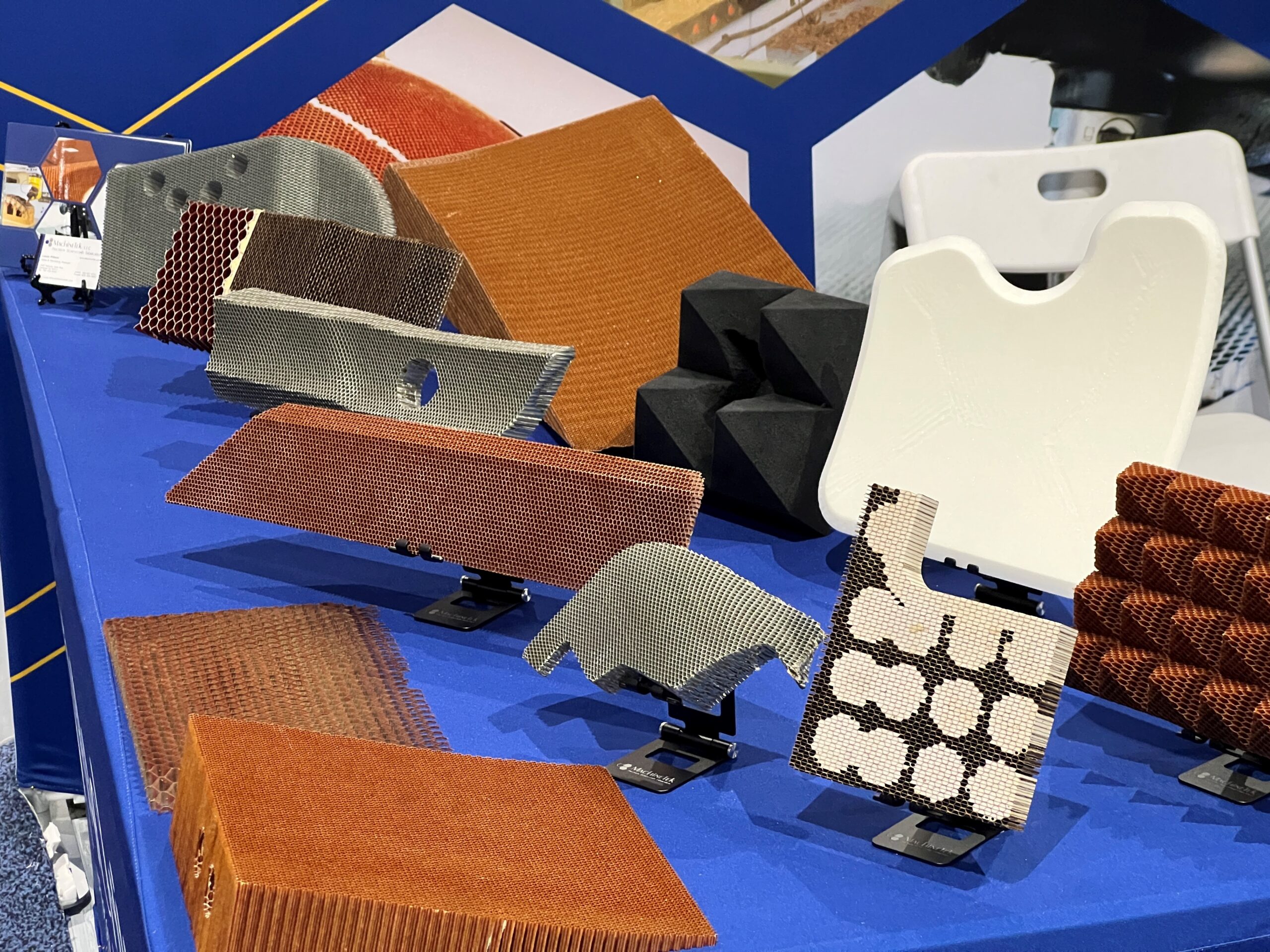
Program engineers are specifying a broader range of core materials than in past decades. Understanding where each material creates lead time and fabrication risk is an increasing concern for procurement agents.
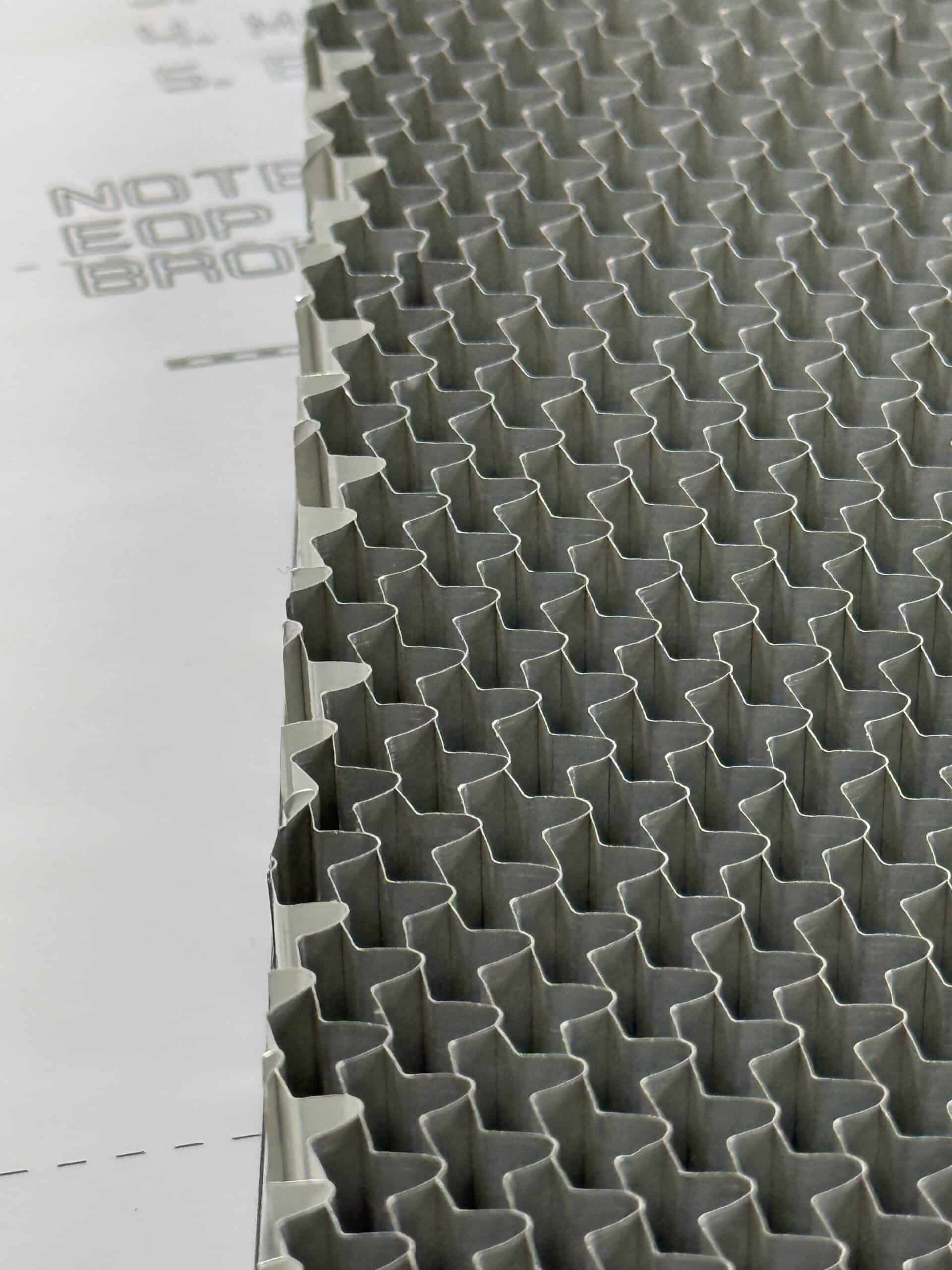
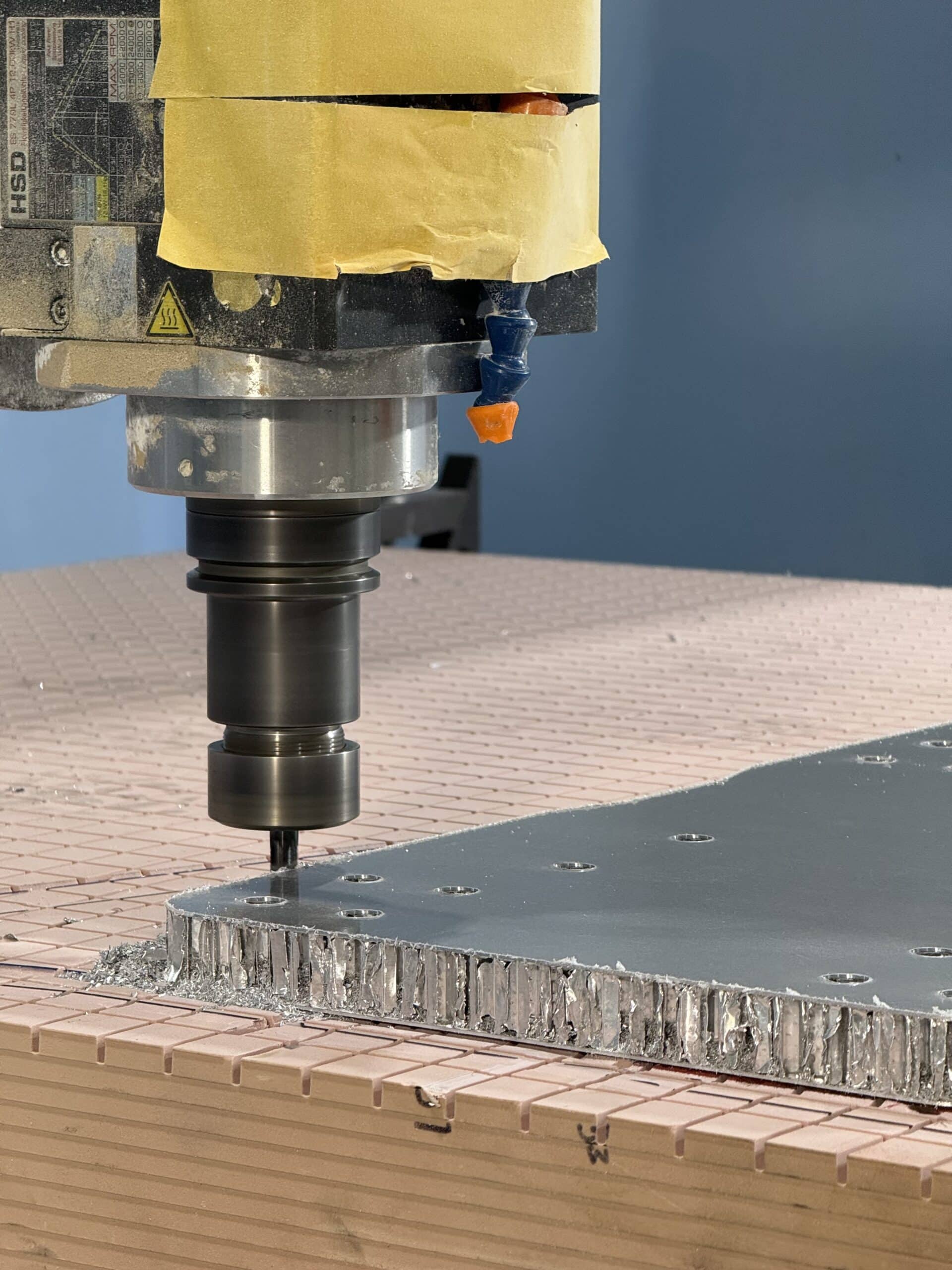
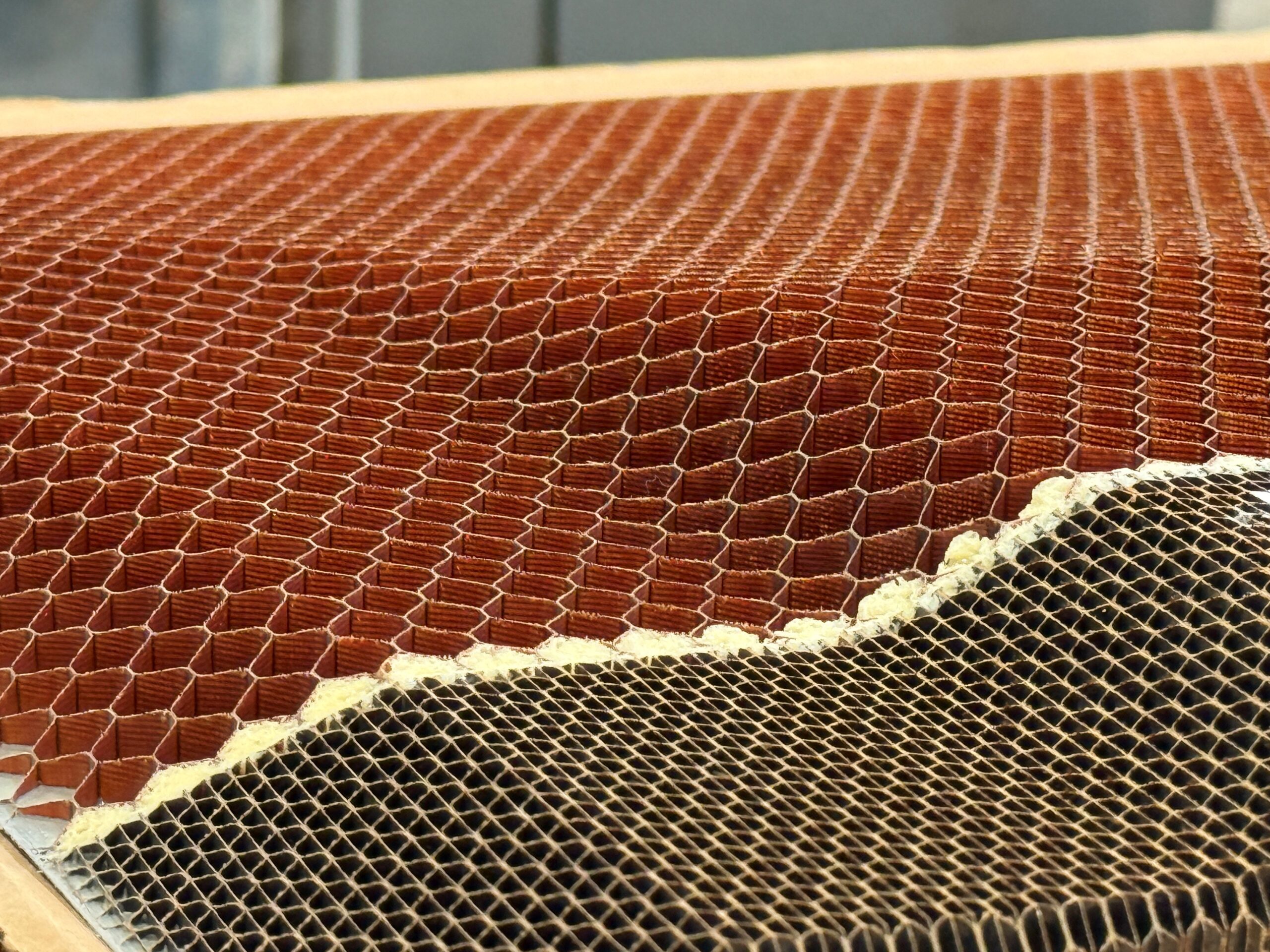
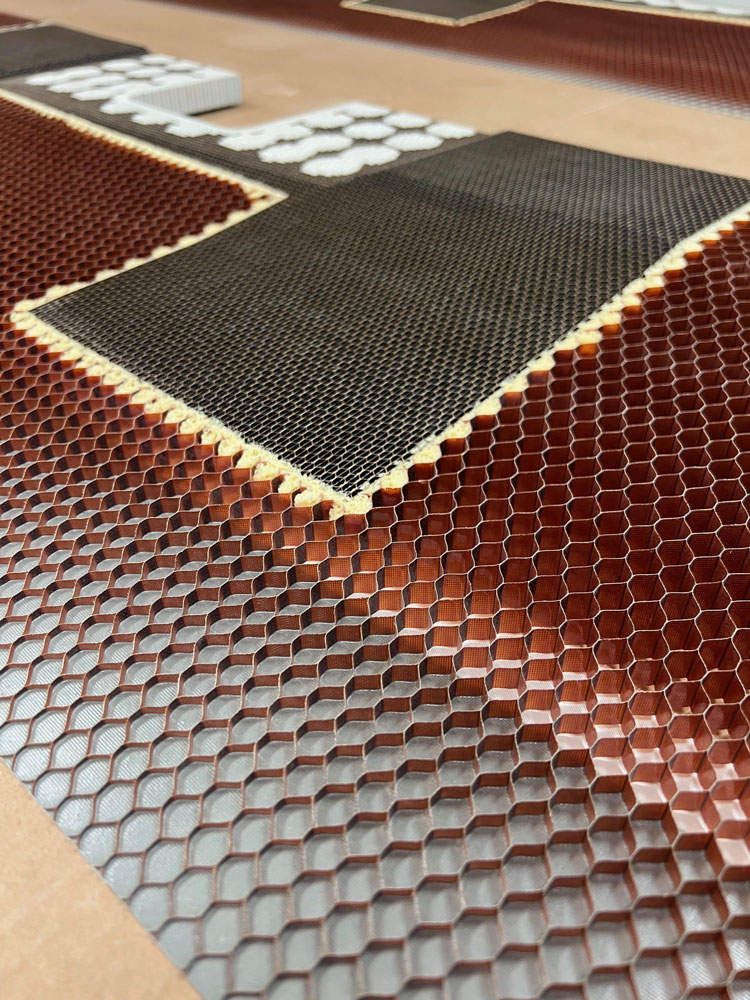
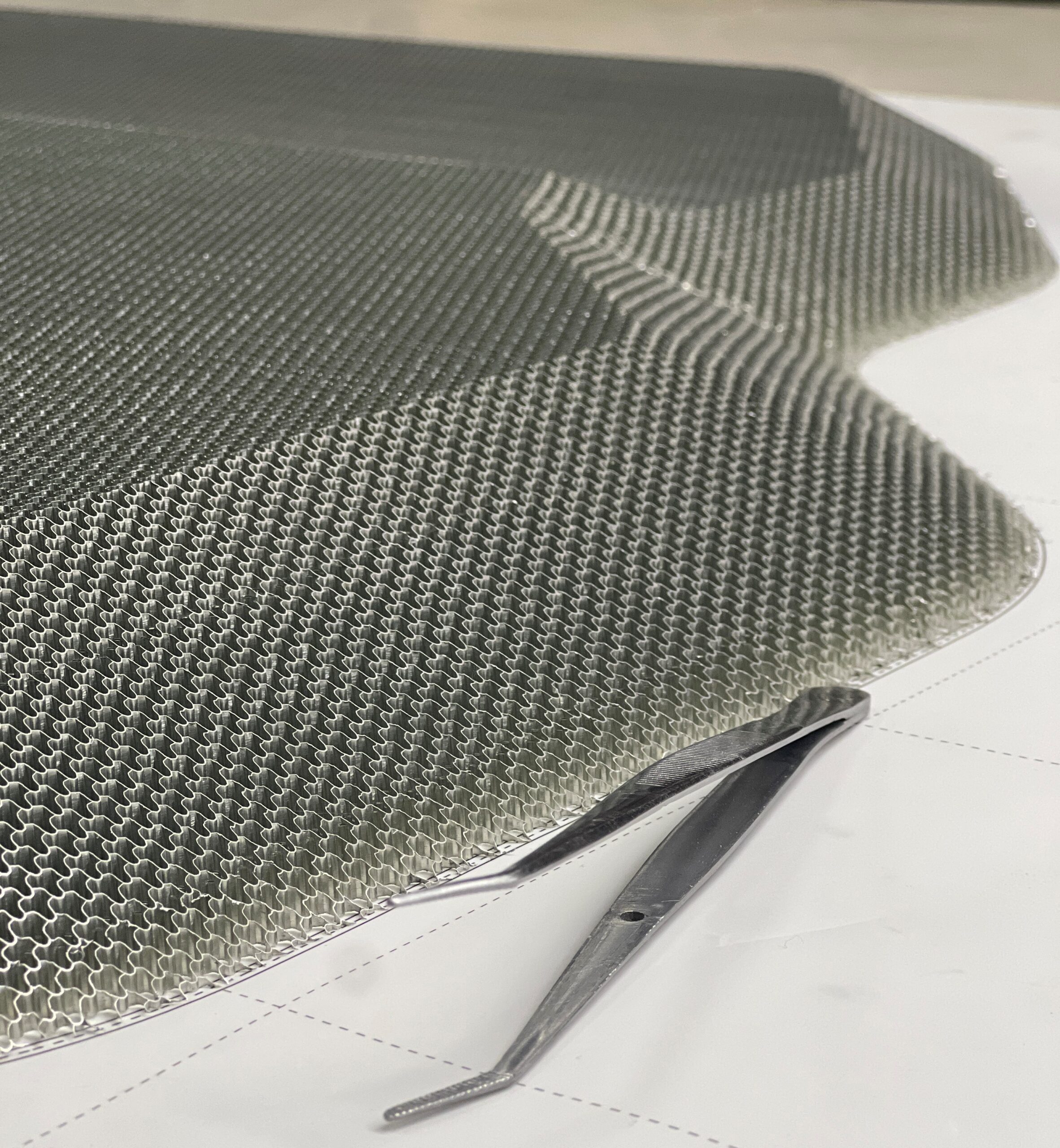
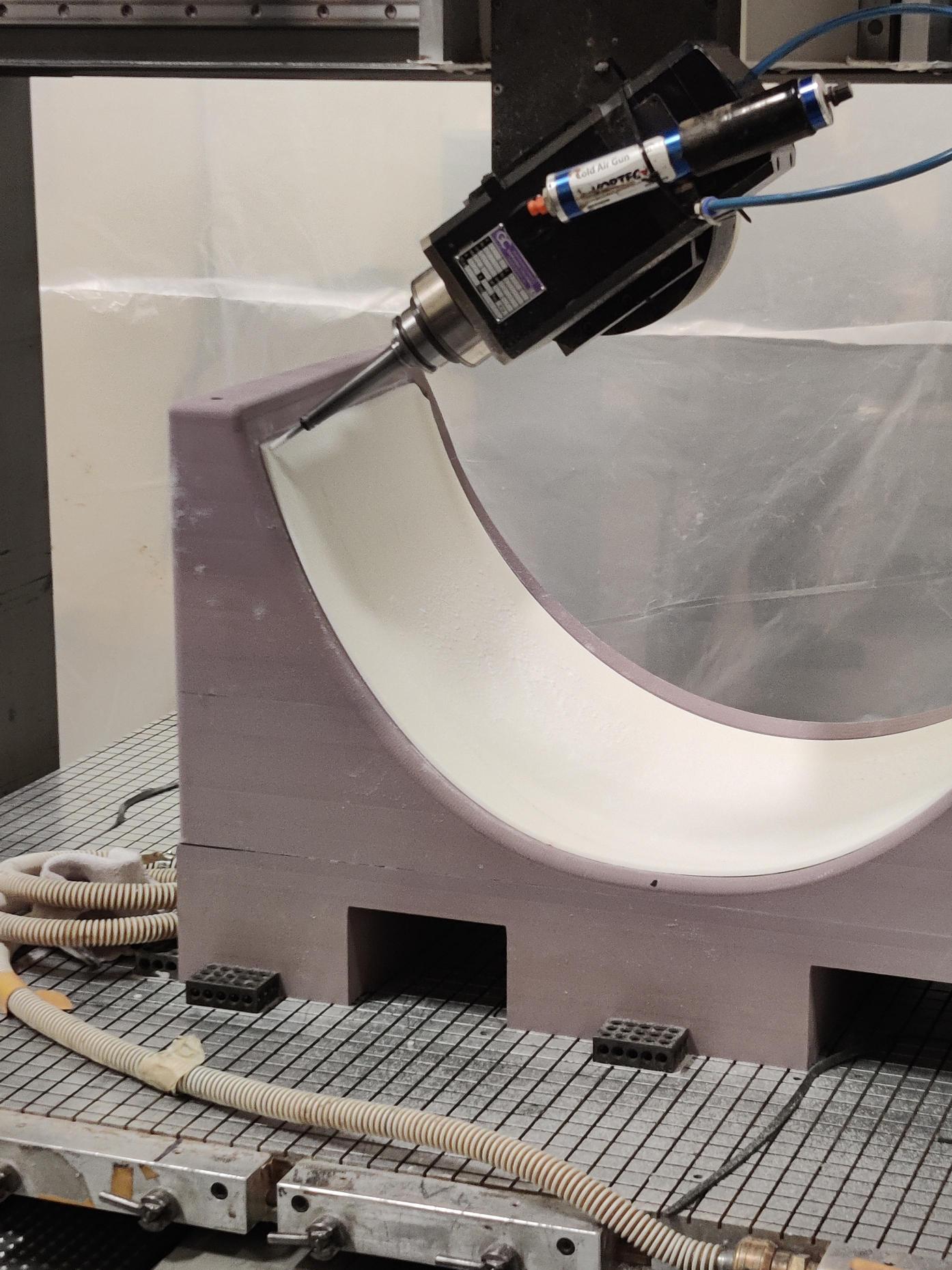
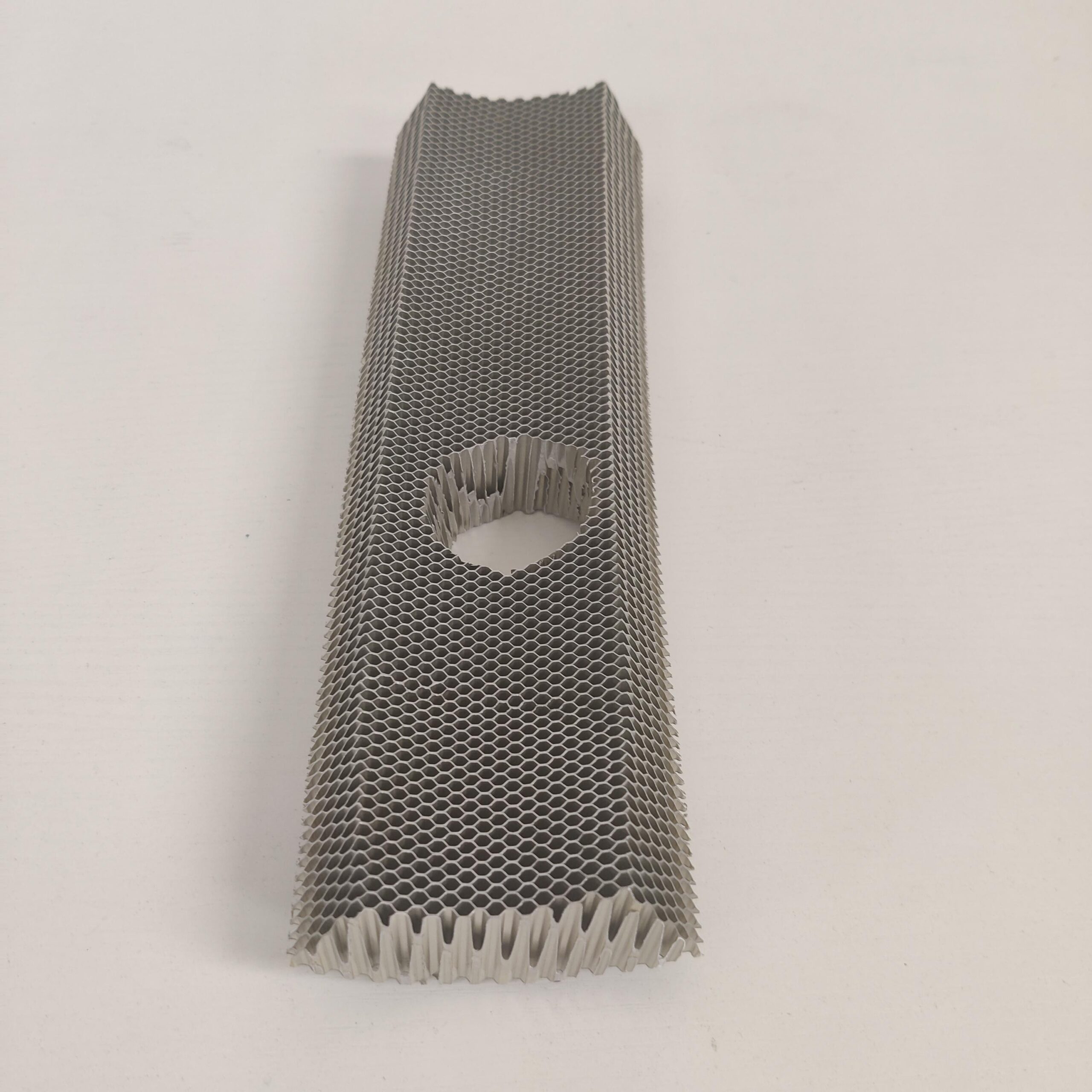
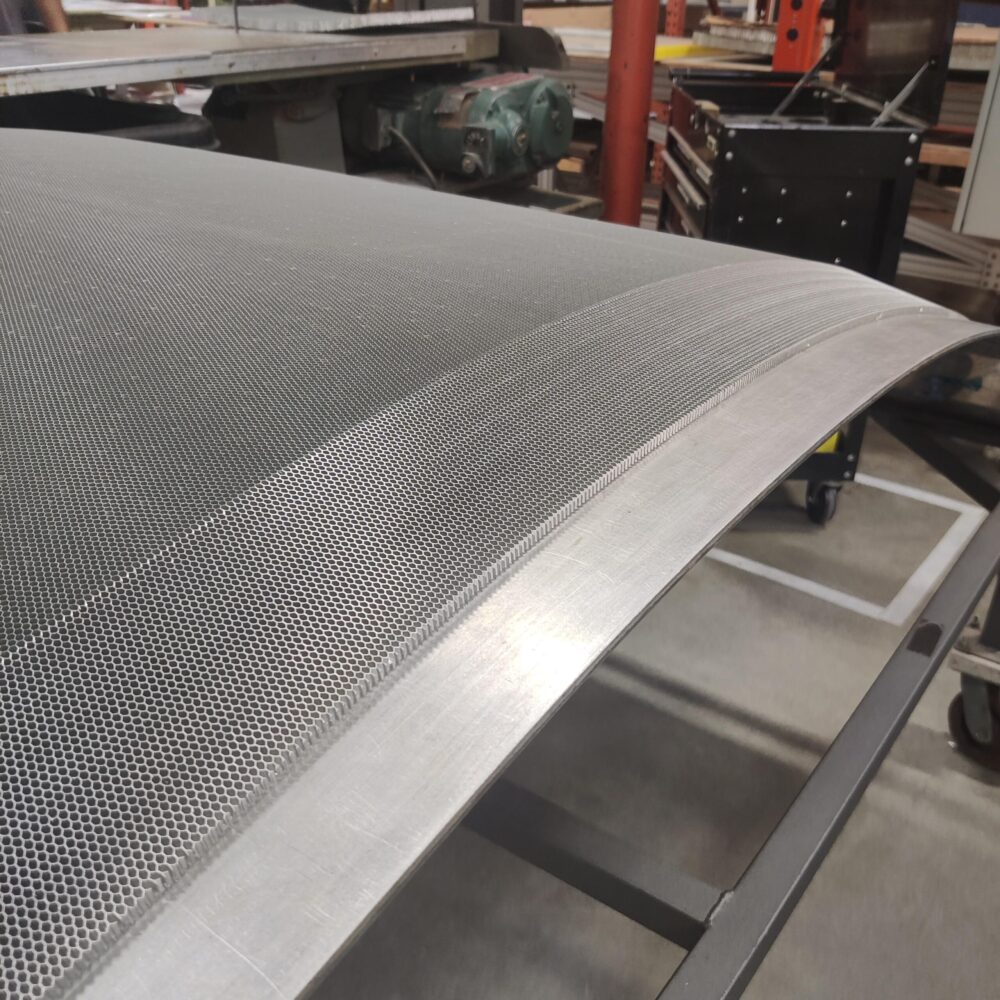
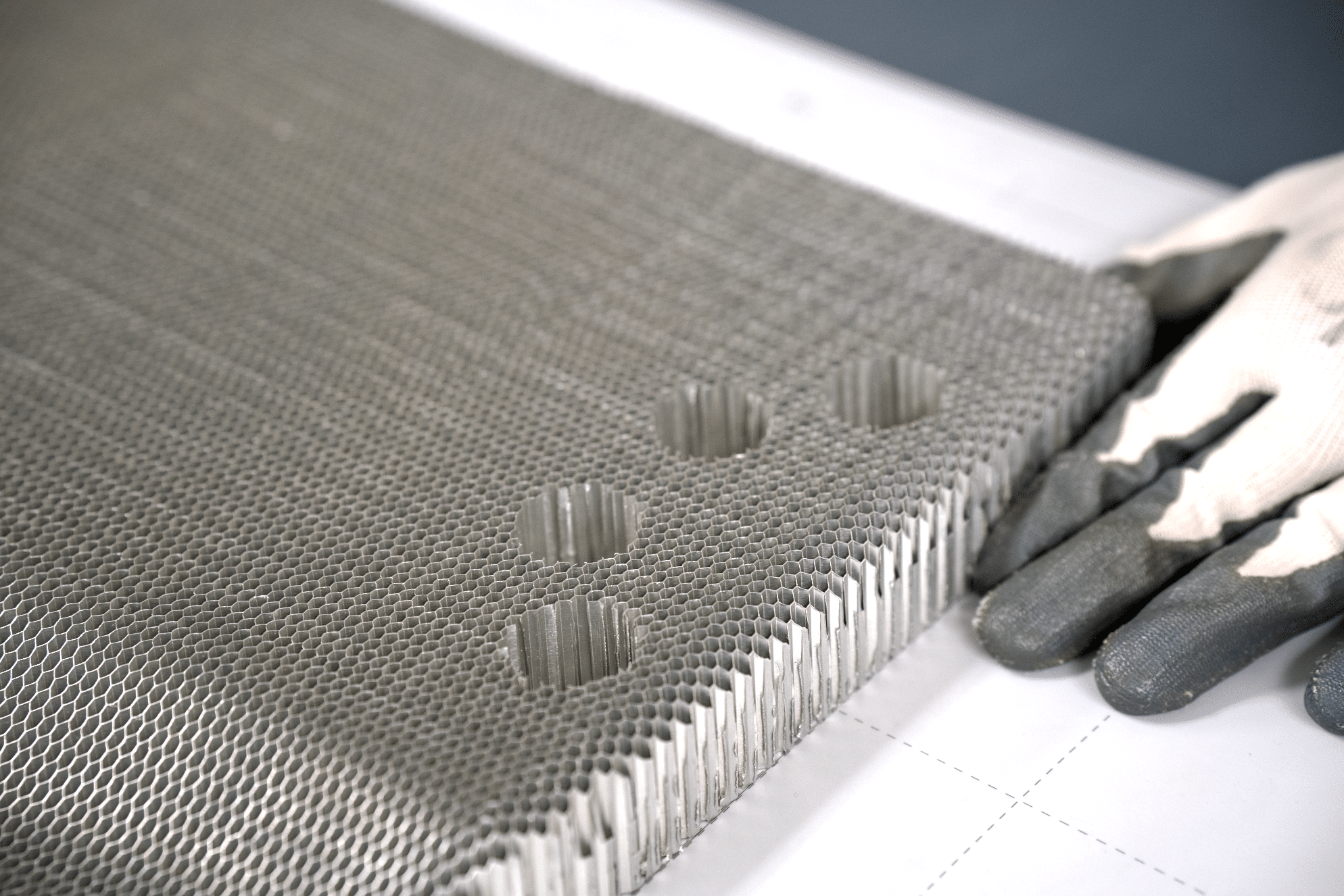
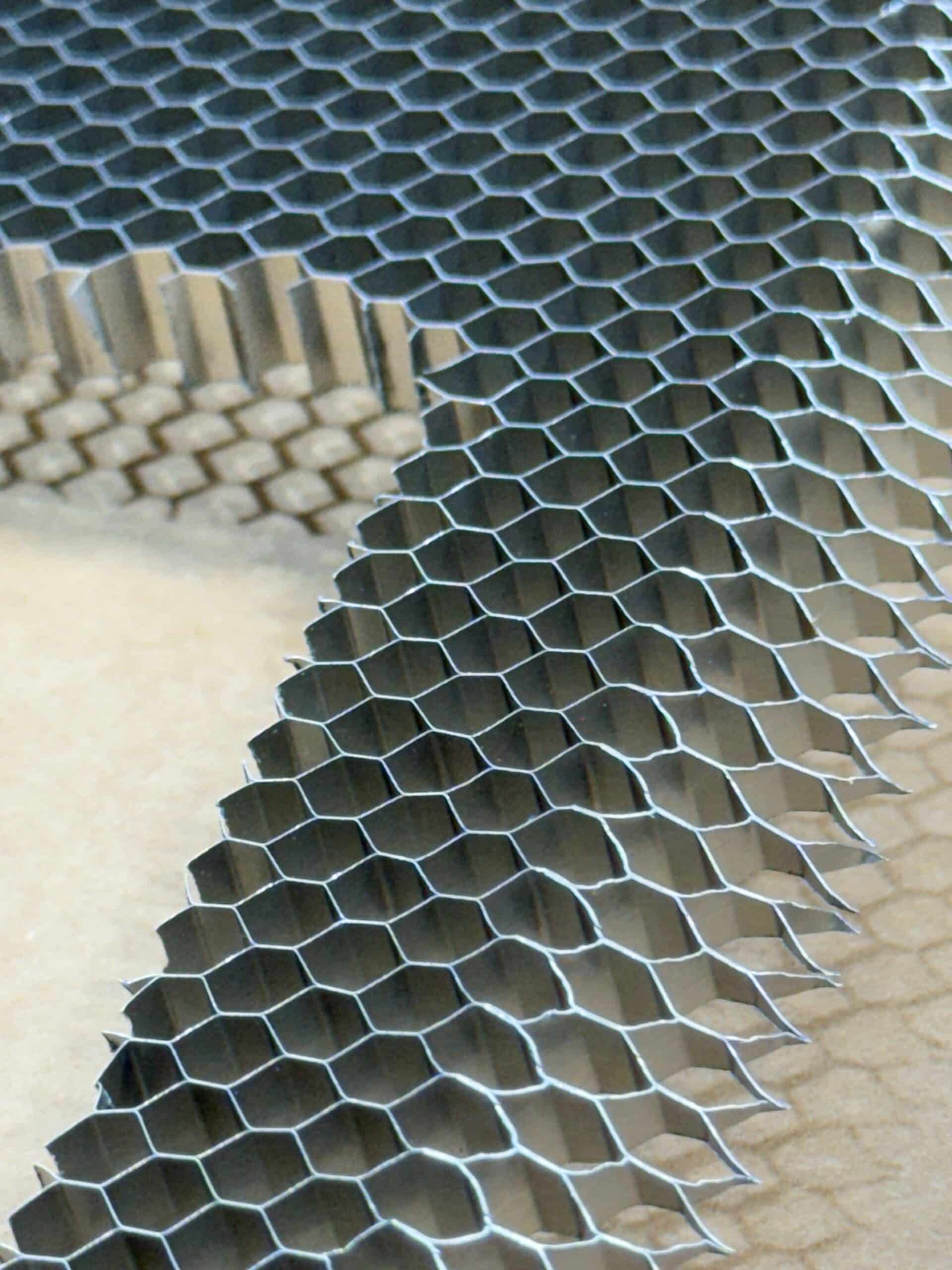
Aluminum honeycomb remains the dominant structural choice, especially for space applications. The 5056 alloy offers roughly 20% greater strength than 5052 and is standard for primary structures. When complex curvatures are required, Flex-Core handles complex geometry better than standard hexagonal cells.
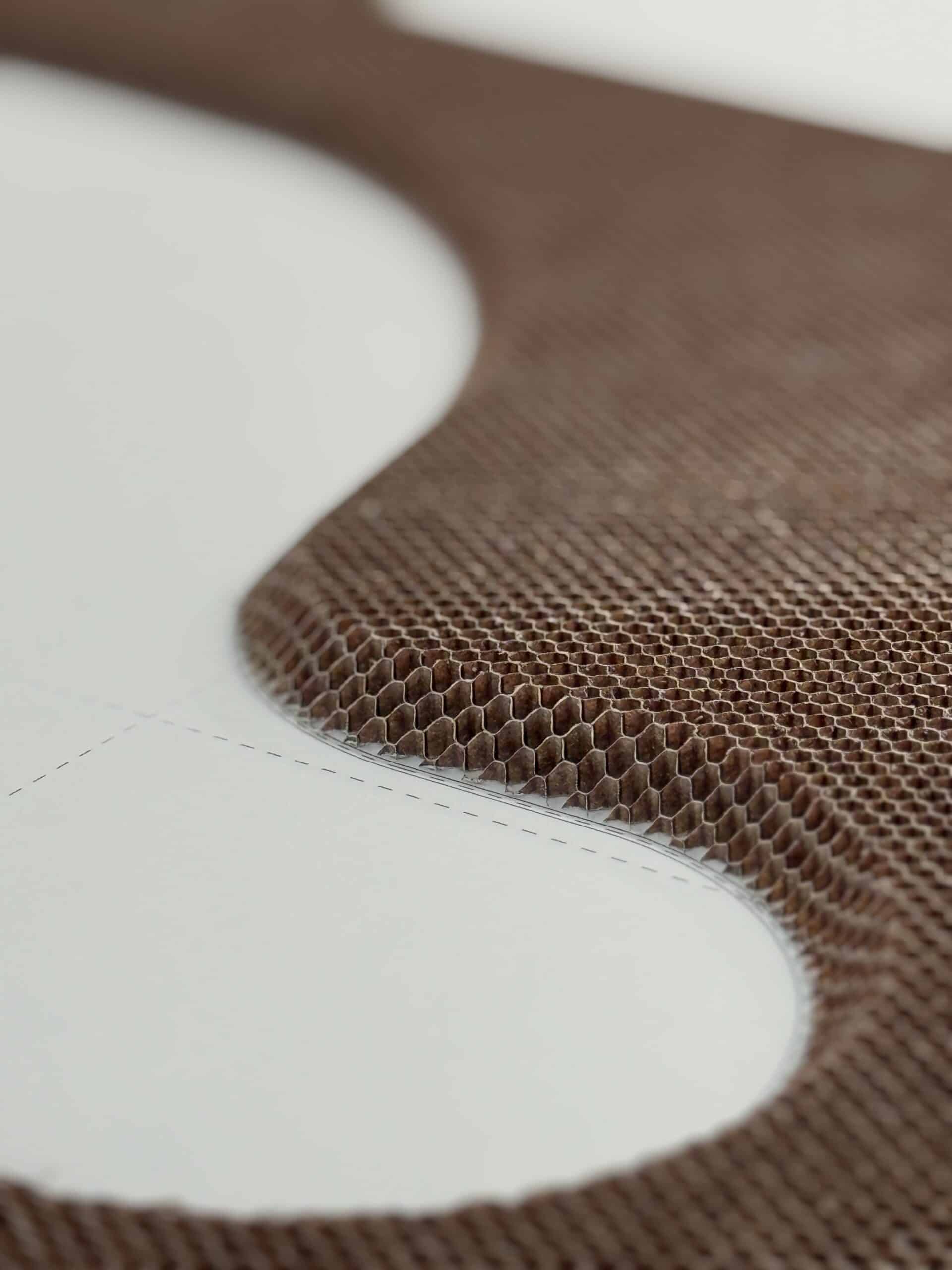
Nomex® aramid honeycomb is the standard for many aeronautical applications, including interior structures, radomes, and secondary panels where dielectric transparency and FAR 25.853 fire compliance are primary requirements.
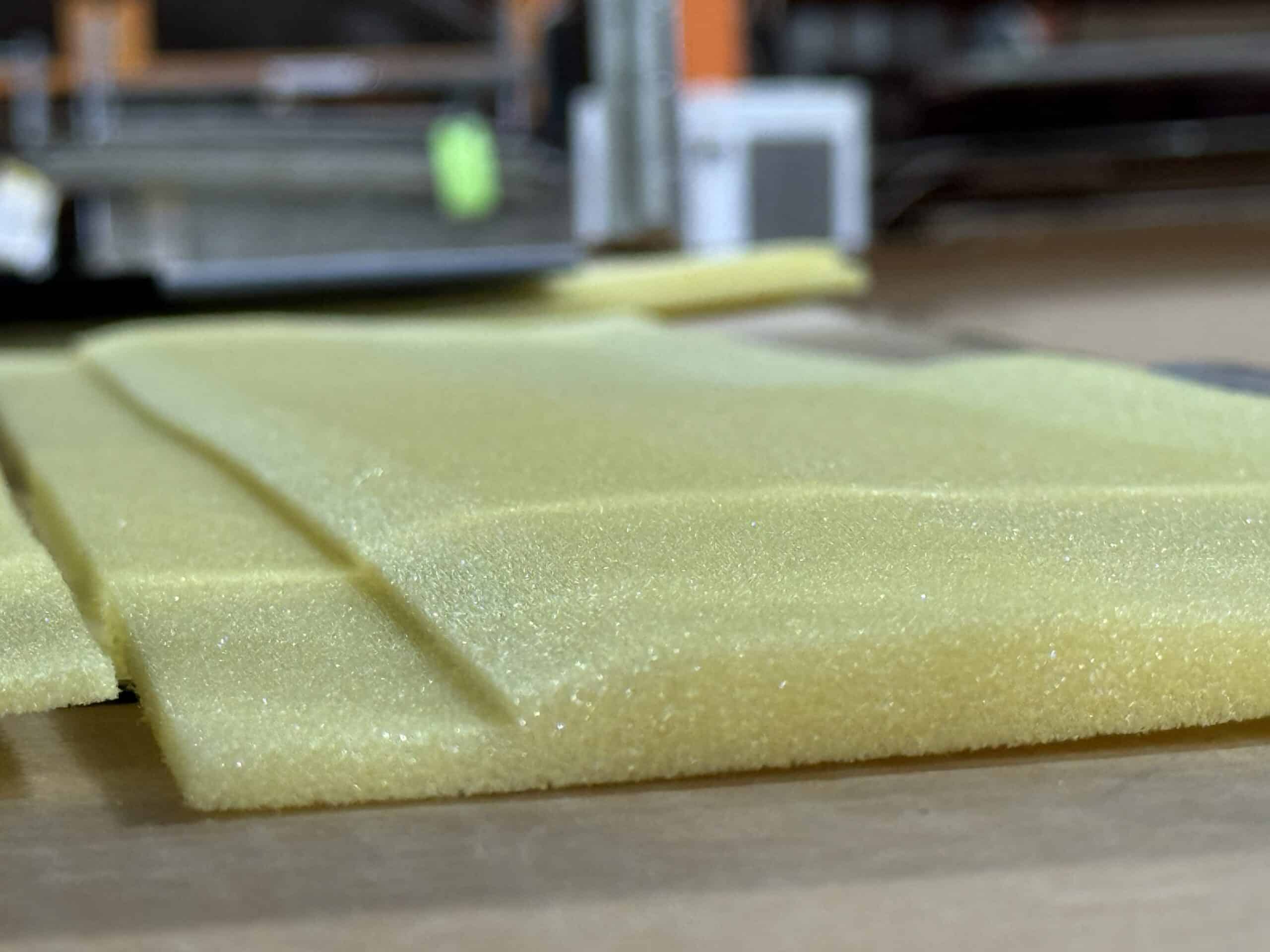
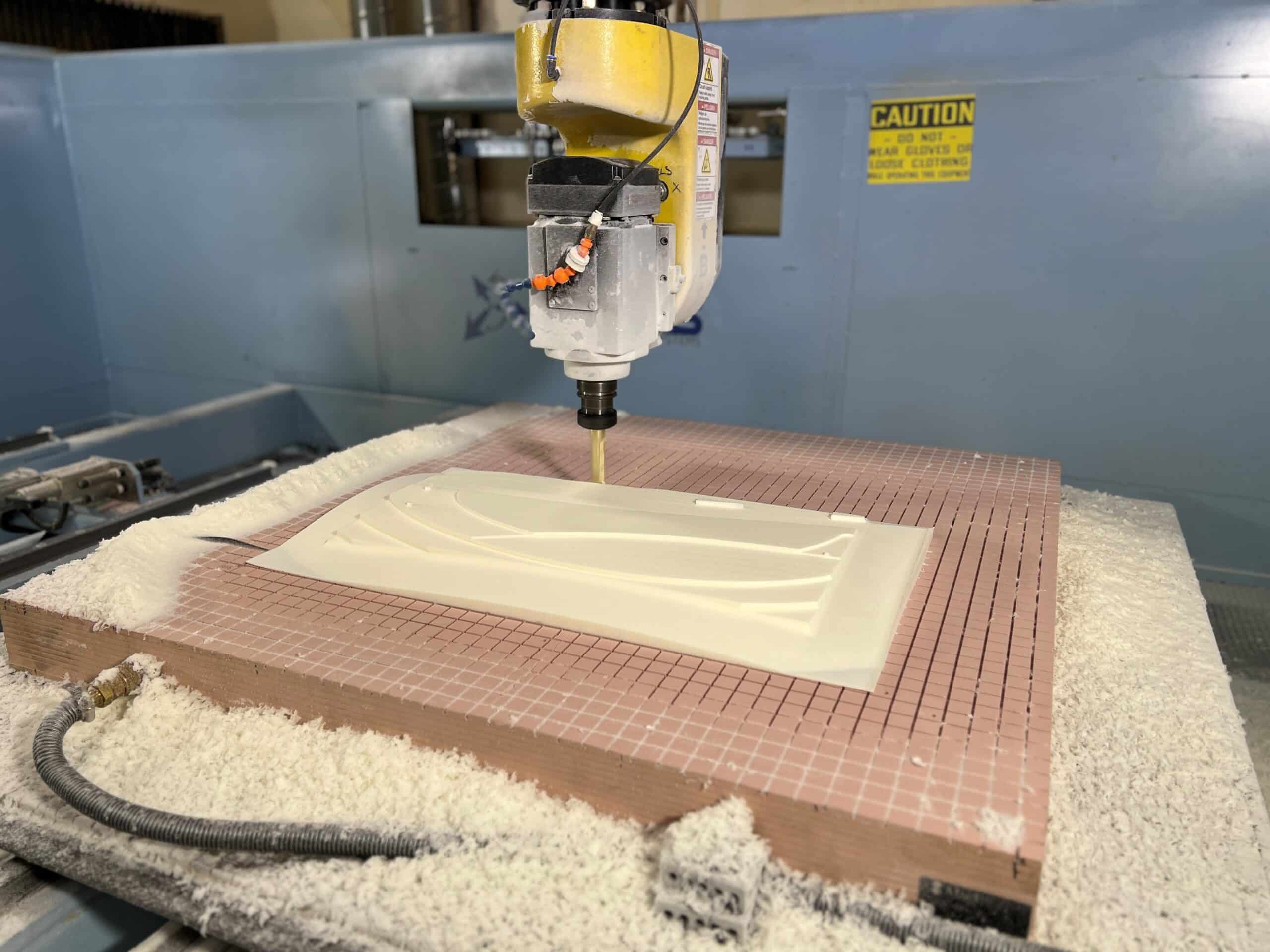
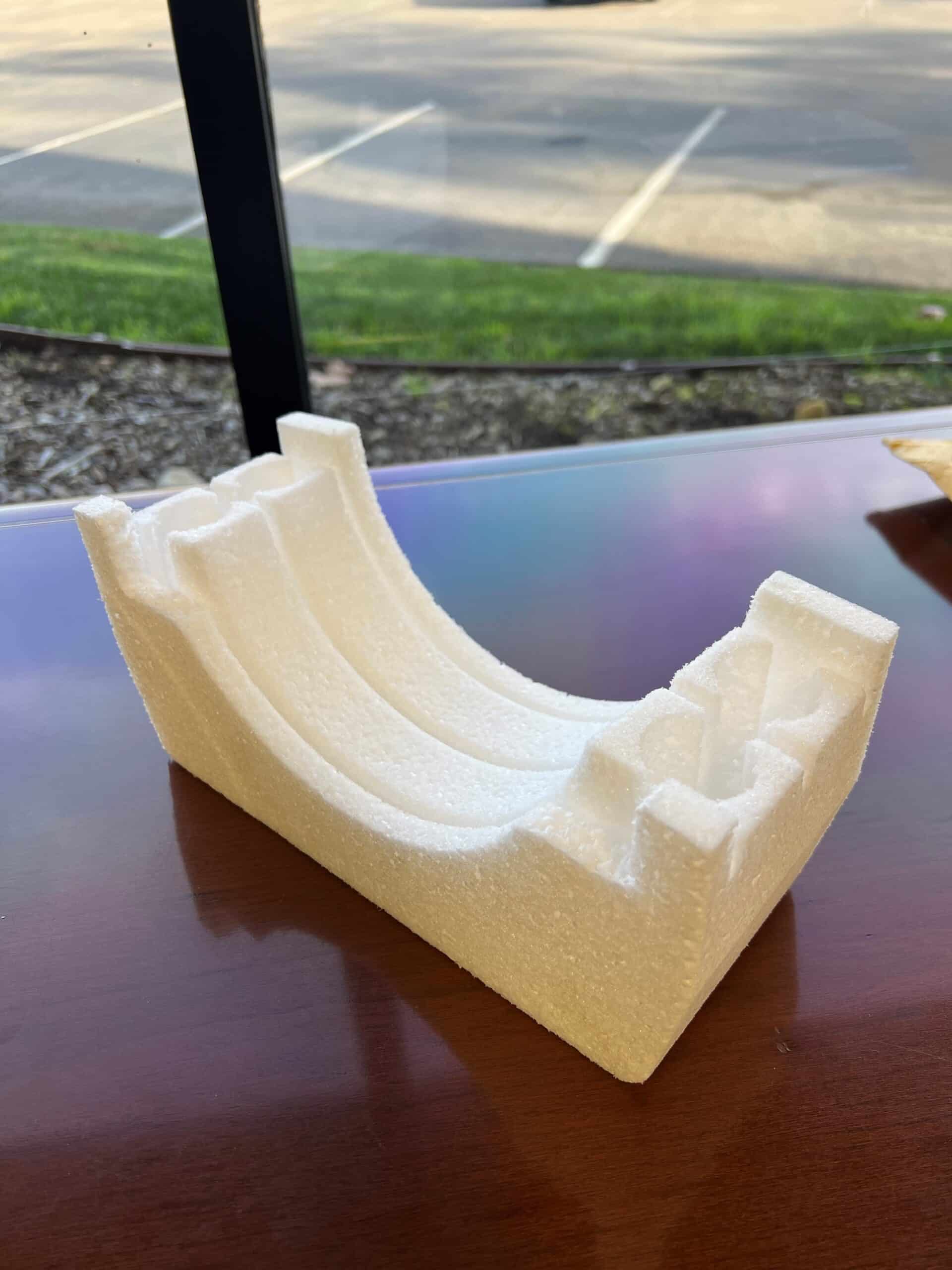
ROHACELL® PMI foam, manufactured by Evonik have become the benchmark for high-performance aerospace foam cores. It is 100% closed-cell, which prevents resin infiltration during layup while eliminating the weight penalty and process variability that plagues open-cell alternatives. Diab Divinycell has been rising in demand due cost and lead time.
The Domestic Supply Chain Dynamic
North America generates 35% of global honeycomb core materials revenue, underpinned by the concentration of major OEMs, tier-one aerostructure manufacturers, and defense programs. The practical effects of the current domestic market’ increasing demand are extended raw material and fabrication lead times.
Near-Term Implications
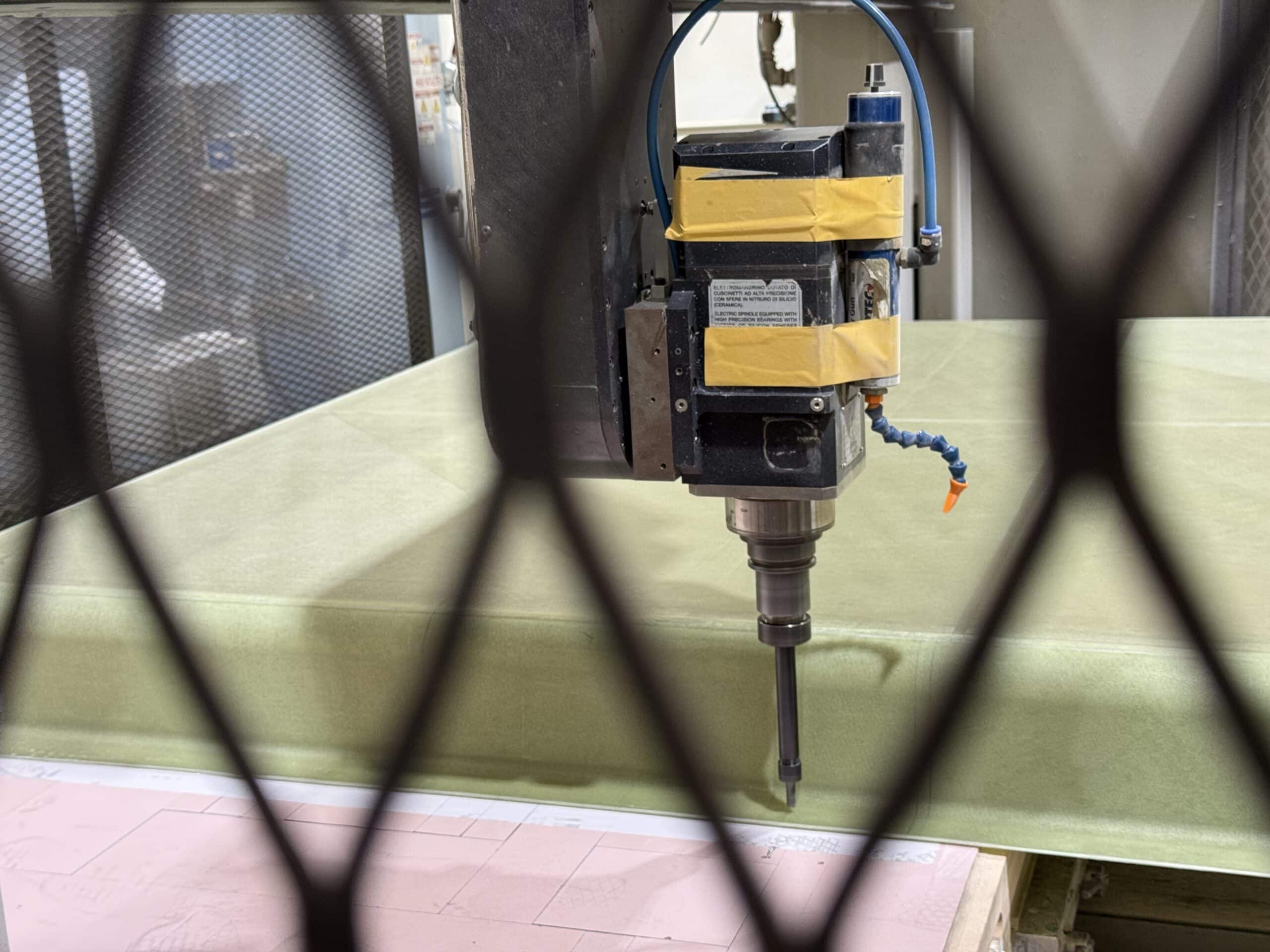
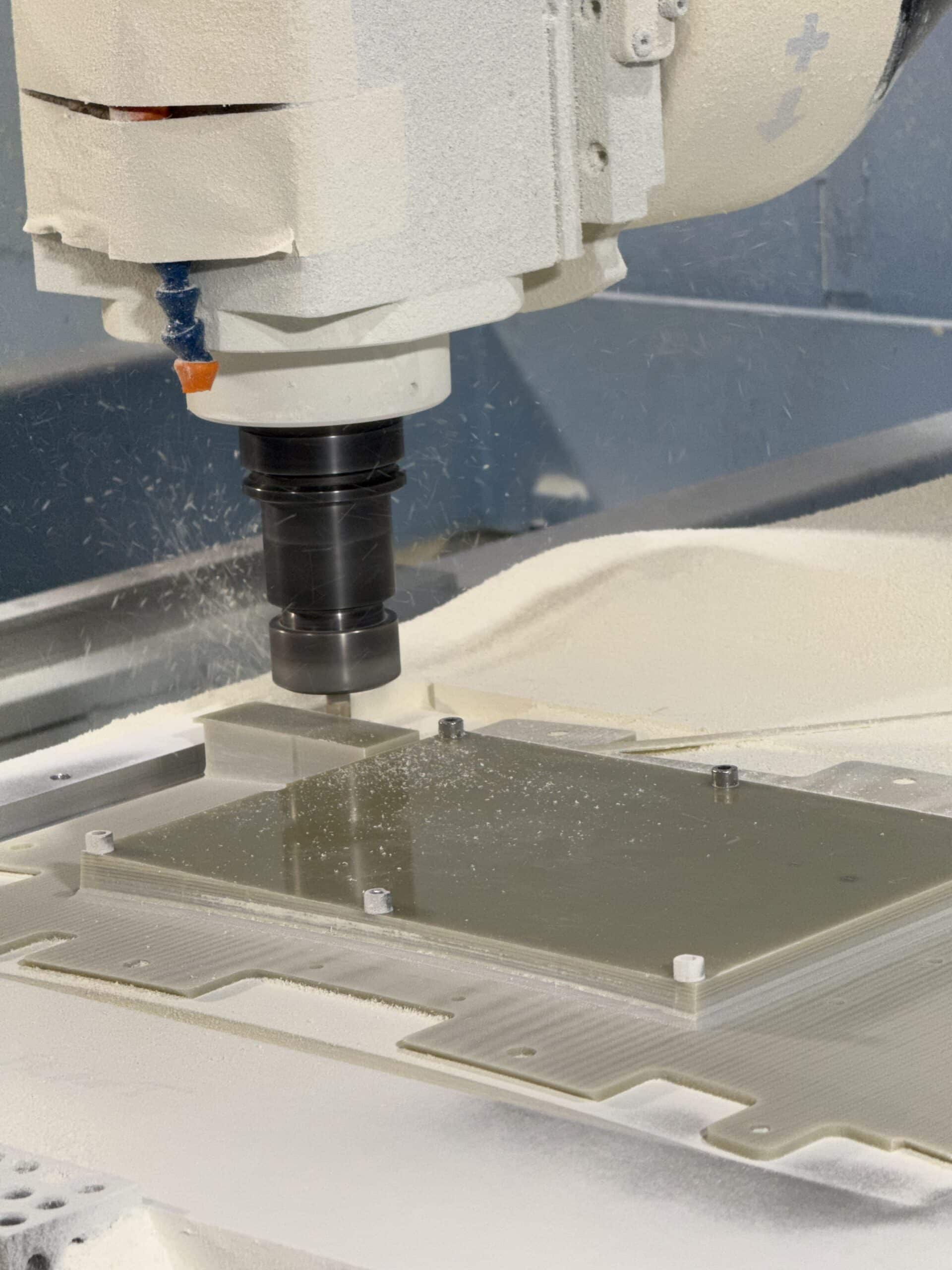
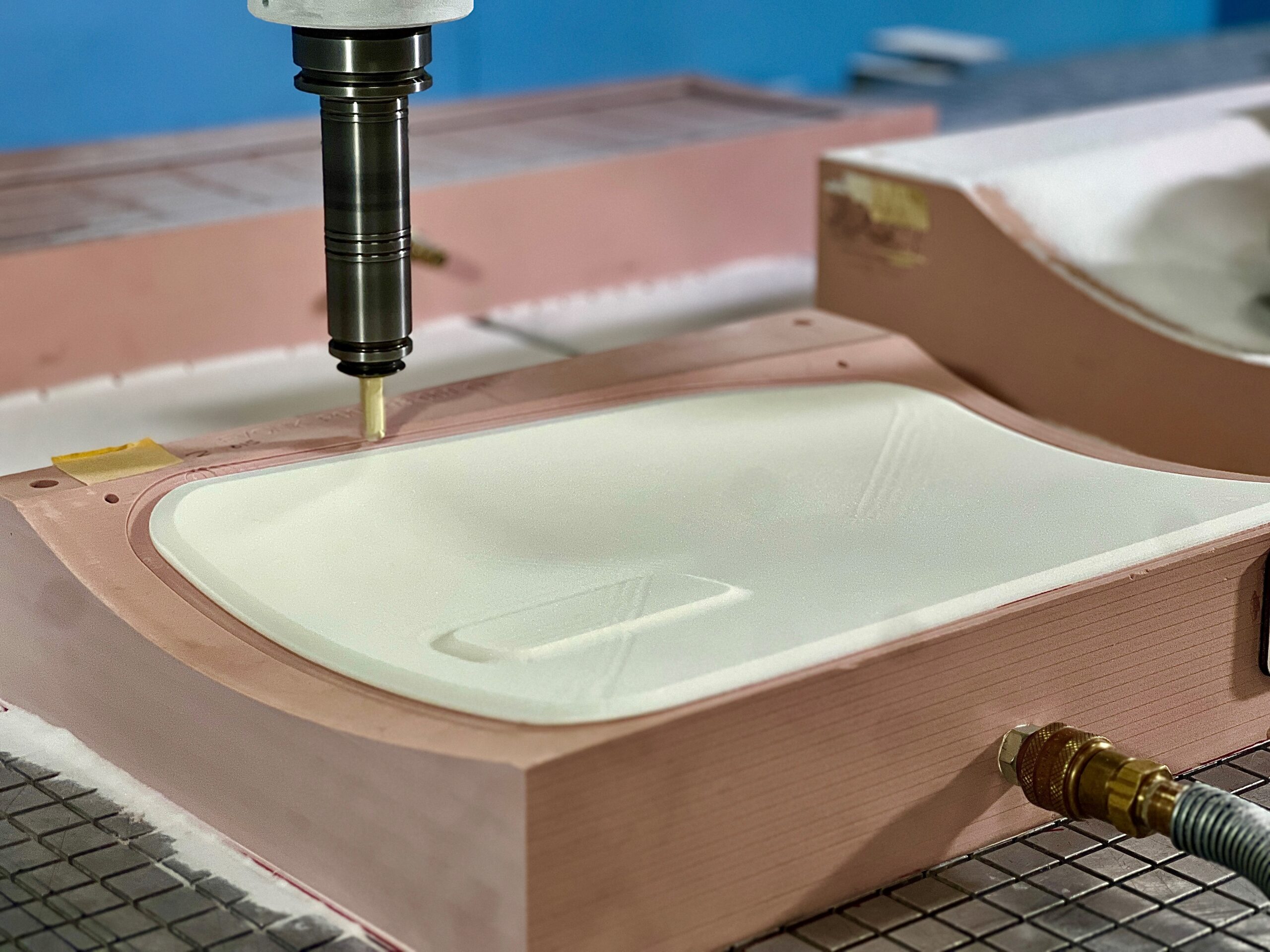
The demand trajectory through 2027 indicates continued tightening of fabrication capacity, particularly for contoured structural core details. Programs entering production in the current environment should treat core fabricator selection as a program-critical decision. With 34 years of experience fabricating honeycomb and foam core components, MachineTek’s industry-leading customer support team can respond quickly to deliver quality core components on time at a competitive price.
MachineTek is an AS9100 certified fabricator in Carlsbad CA, serving aerospace and defense manufacturers across commercial, military, space, and UAV programs.