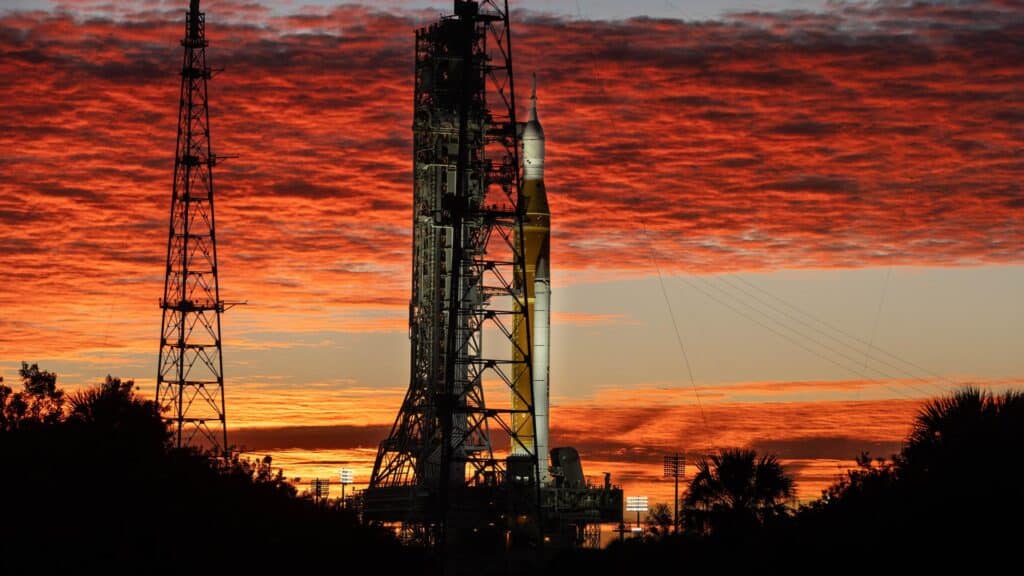
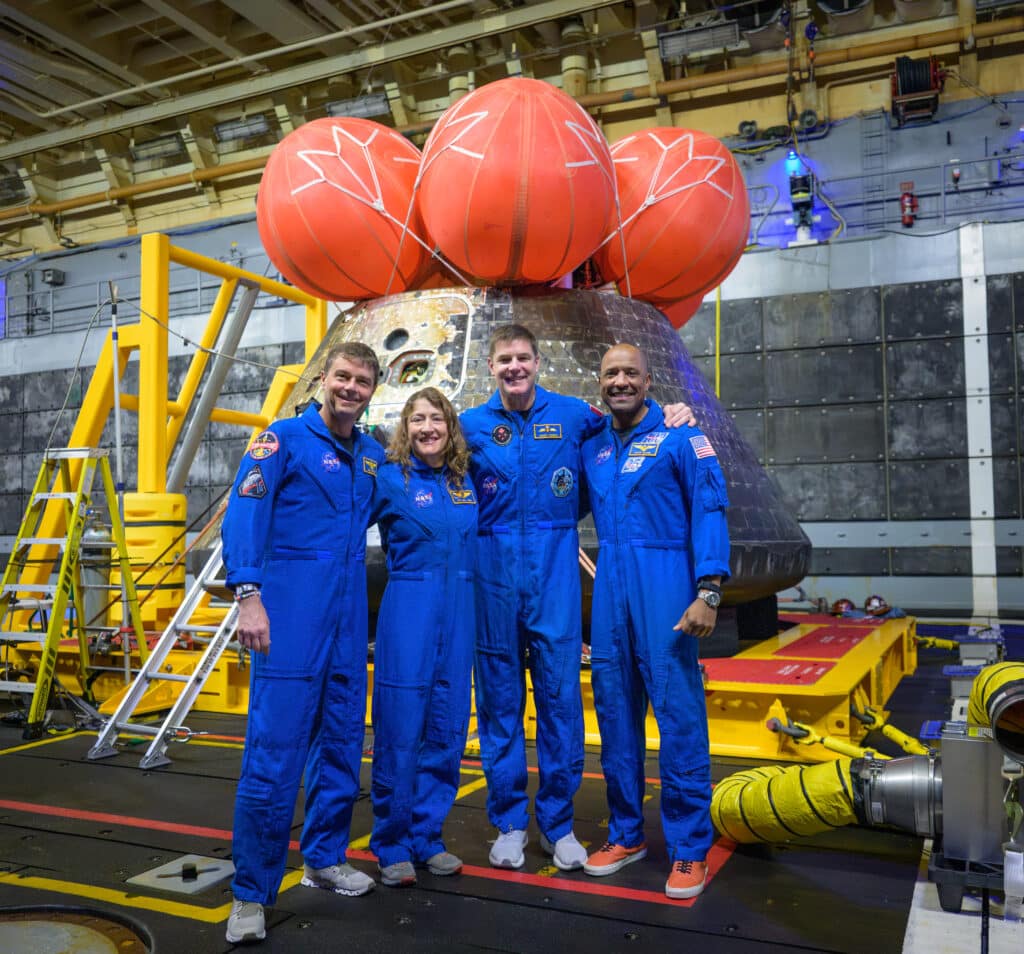
NASA’s Artemis II mission has successfully returned to Earth, marking a historic milestone in modern space exploration and the first crewed mission around the Moon in over 50 years. As the aerospace industry reflects on this achievement, MachineTek is proud to have supported the program through honeycomb machining and foam core fabrication for aerospace applications.
Artemis II Mission Overview and Successful Return
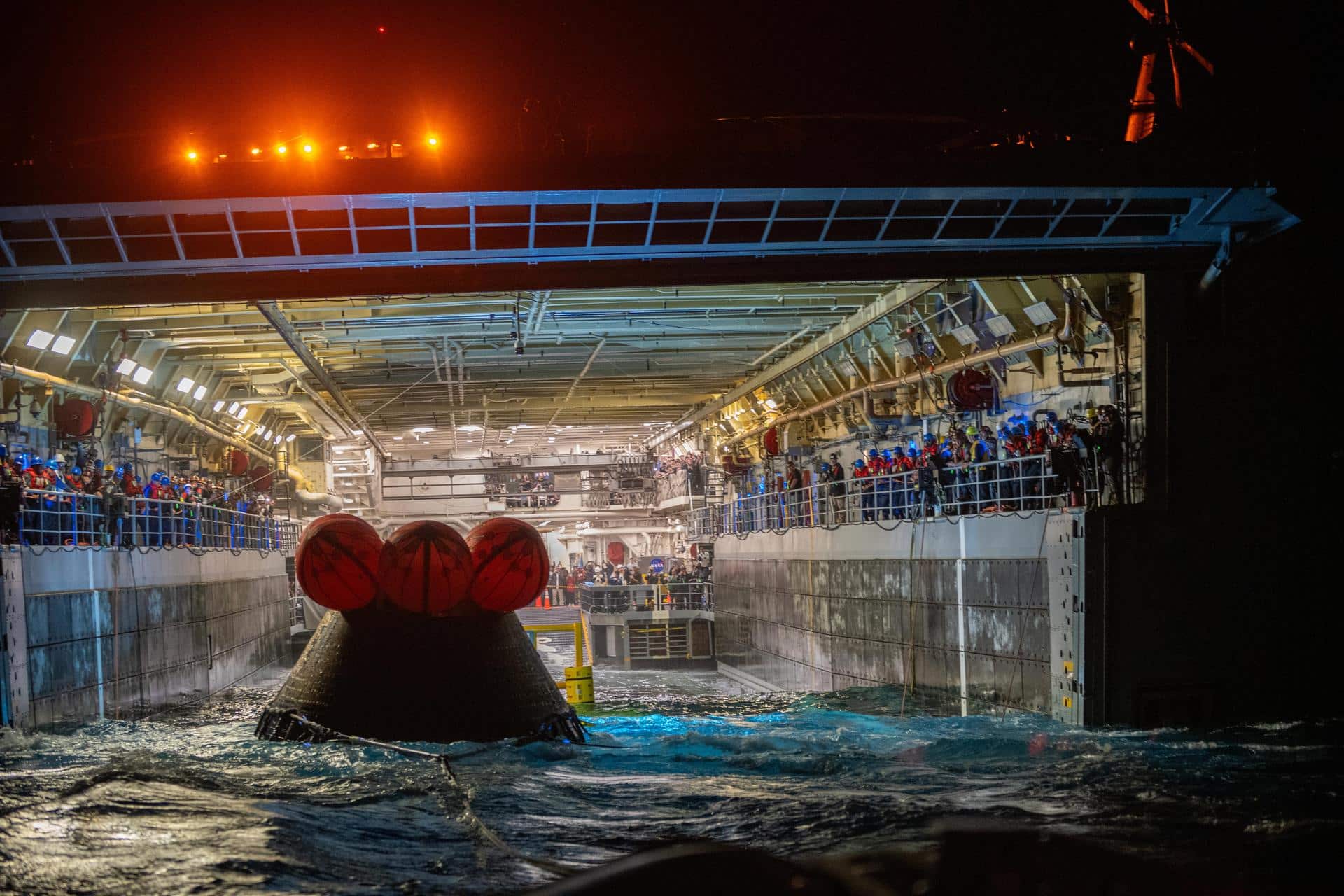
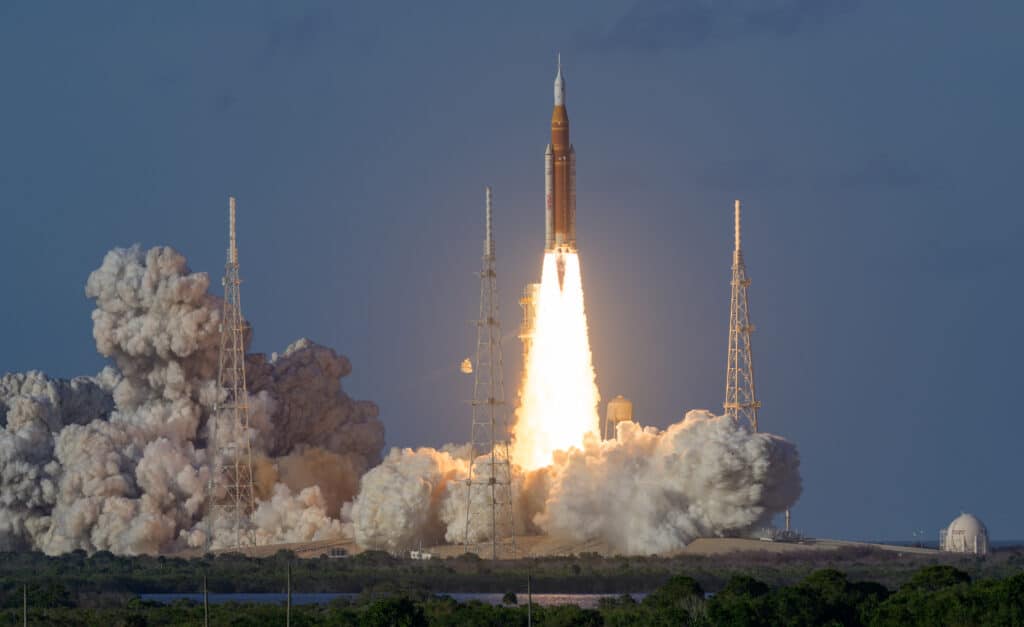
Launched on April 1, 2026, Artemis II carried four astronauts on a 10-day mission around the Moon, traveling farther from Earth than any humans in history. The mission concluded with a successful splashdown in the Pacific Ocean on April 10, 2026, validating critical systems for future lunar missions.
Key highlights from Artemis II:
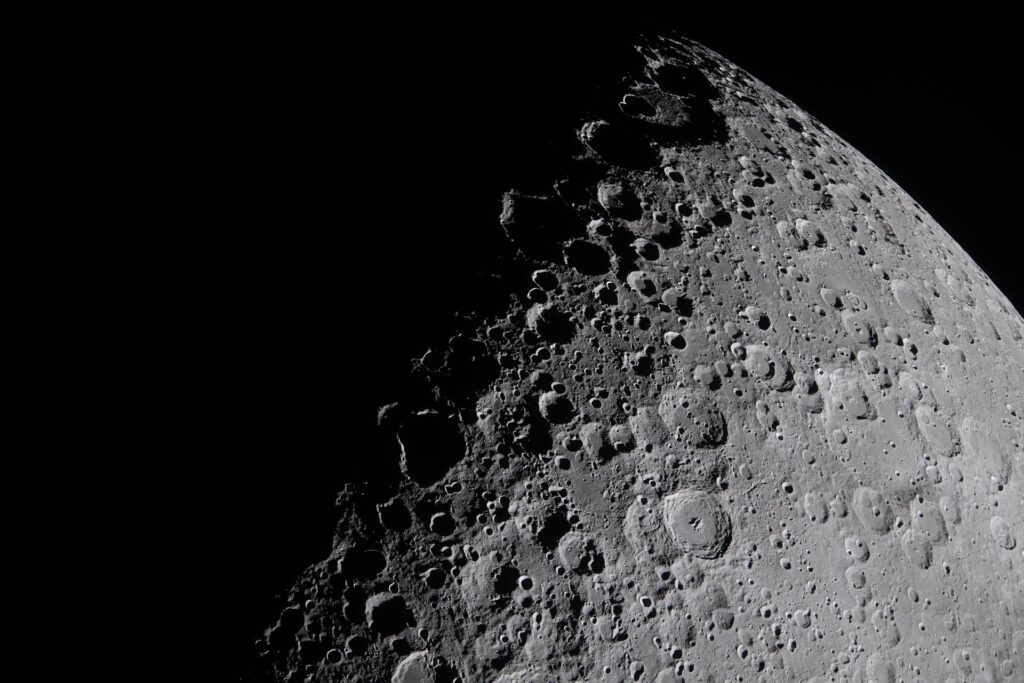
First crewed lunar mission since Apollo
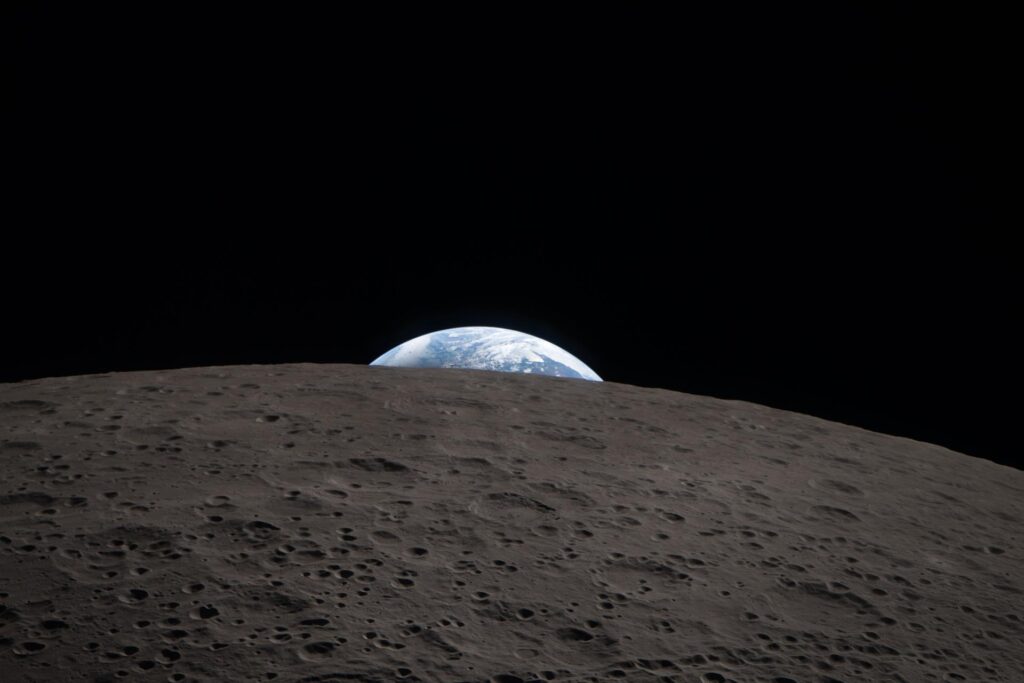
Record-breaking distance from Earth (~252,000+ miles)
Successful Orion spacecraft performance and re-entry validation
Critical testing of thermal protection systems and flight operations
This mission serves as the foundation for Artemis III and future lunar landings, reinforcing the importance of a high-performance aerospace supply chain. Advanced space systems like Artemis II rely heavily on lightweight composite structures to withstand extreme conditions while maintaining structural integrity.
Thermal and mechanical performance in extreme environments
Structural integrity under launch and re-entry conditions
Our capabilities in aerospace core fabrication ensured:
Tight-tolerance machining of complex geometries
Consistent, repeatable quality
Components delivered ready for layup
On-time delivery aligned with mission-critical timelines
In space exploration, performance is non-negotiable. Every component must function flawlessly under extreme stress, vibration, and temperature conditions. Programs like Artemis II demand more than standard manufacturing, they require advanced aerospace machining expertise and process control.
MachineTek’s value adds include:
Short lead time honeycomb and foam machining
Honeycomb and foam thermoforming and roll forming
Core splicing, potting, and stabilization
These capabilities help aerospace customers:
Reduce production bottlenecks
Accelerate program timelines
Ensure reliability in mission-critical components
With Artemis II successfully completed, NASA is now preparing for Artemis III, which aims to return humans to the lunar surface.The long-term vision includes sustained lunar presence, development of lunar infrastructure, and future missions to Mars.
MachineTek is ready to support your next mission. For more information about MachineTek’s capabilities or to discuss upcoming program requirements contact [email protected].